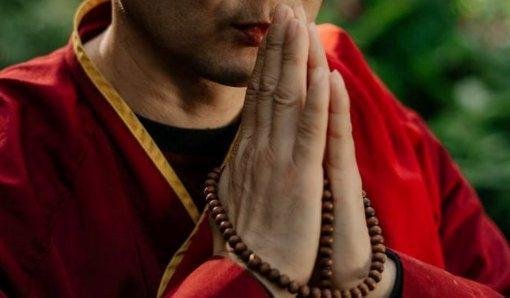
Yoga Mala beads, also known as Japa Mala or Japa beads, are traditional prayer and meditation beads used to count repetitions of a mantra, prayer or sacred phrase. A traditional Yoga Mala commonly contains 108 beads and a larger Guru bead. During Japa meditation, the practitioner moves through the beads one at a time while repeating the chosen mantra.
Although malas are now widely associated with yoga, meditation and spiritual practice around the world, their history is rooted in the religious traditions of India and South Asia.
What Does Yoga Mala and Japa Mala Mean?
Mala means Garland what are yoga beads
Japa means Recitation what are yoga beads
A Mala is therefore a string or garland of beads, traditionally used for prayer, meditation or mantra repetition. The term “Japa” refers to the repetition or recitation of a mantra, prayer or sacred phrase. A Japa Mala provides a physical way to keep track of each repetition without having to count mentally.
This allows the practitioner to concentrate more fully on the mantra and meditation.
Traditional Mala beads have commonly been made from natural materials, including seeds, wood and other naturally occurring materials. The material used can vary according to the religious tradition, region, purpose of the Mala and personal preference of the practitioner.
Some of the best-known traditional Mala materials include Rudraksha seeds, Bodhi seeds, lotus seeds and wood.
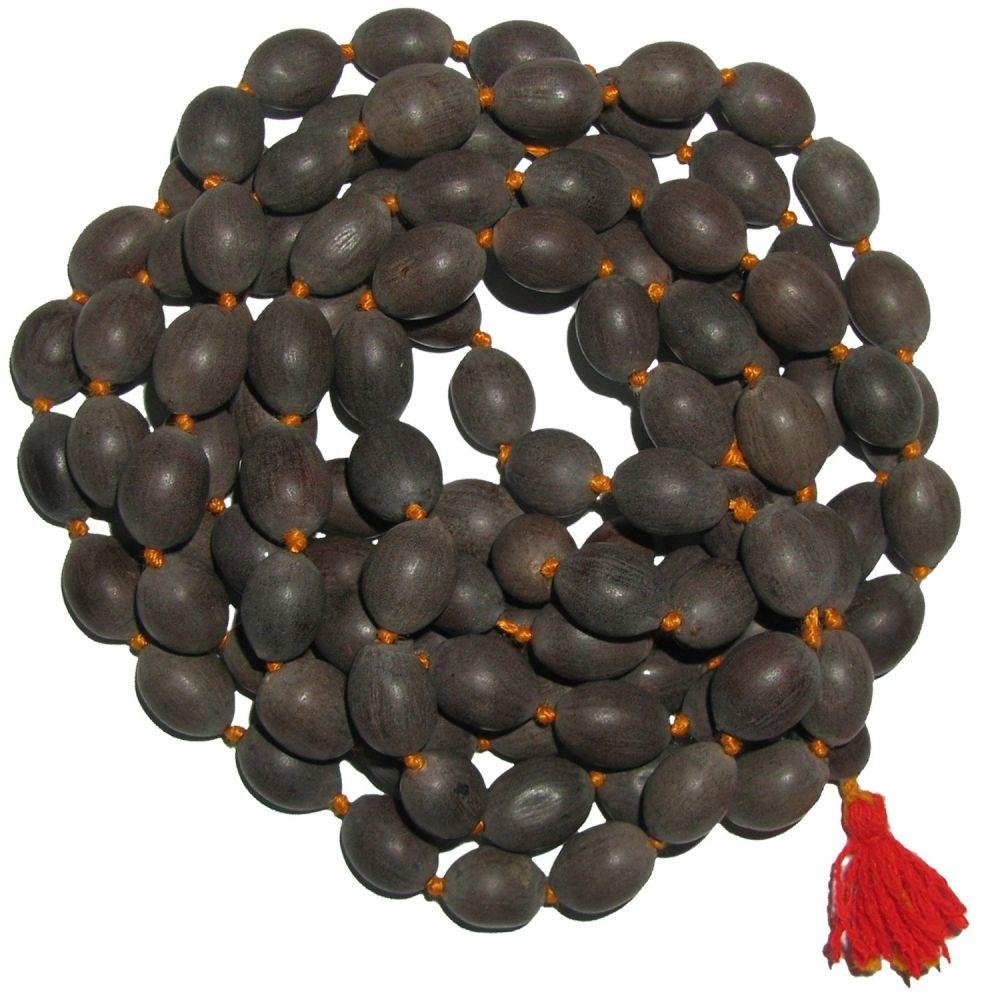
Lotus Seed Mala
Lotus seeds are a natural material used for prayer and meditation beads.
The lotus has important symbolic associations in both Hinduism and Buddhism, where it is commonly associated with purity, growth and spiritual development.
what are yoga beads
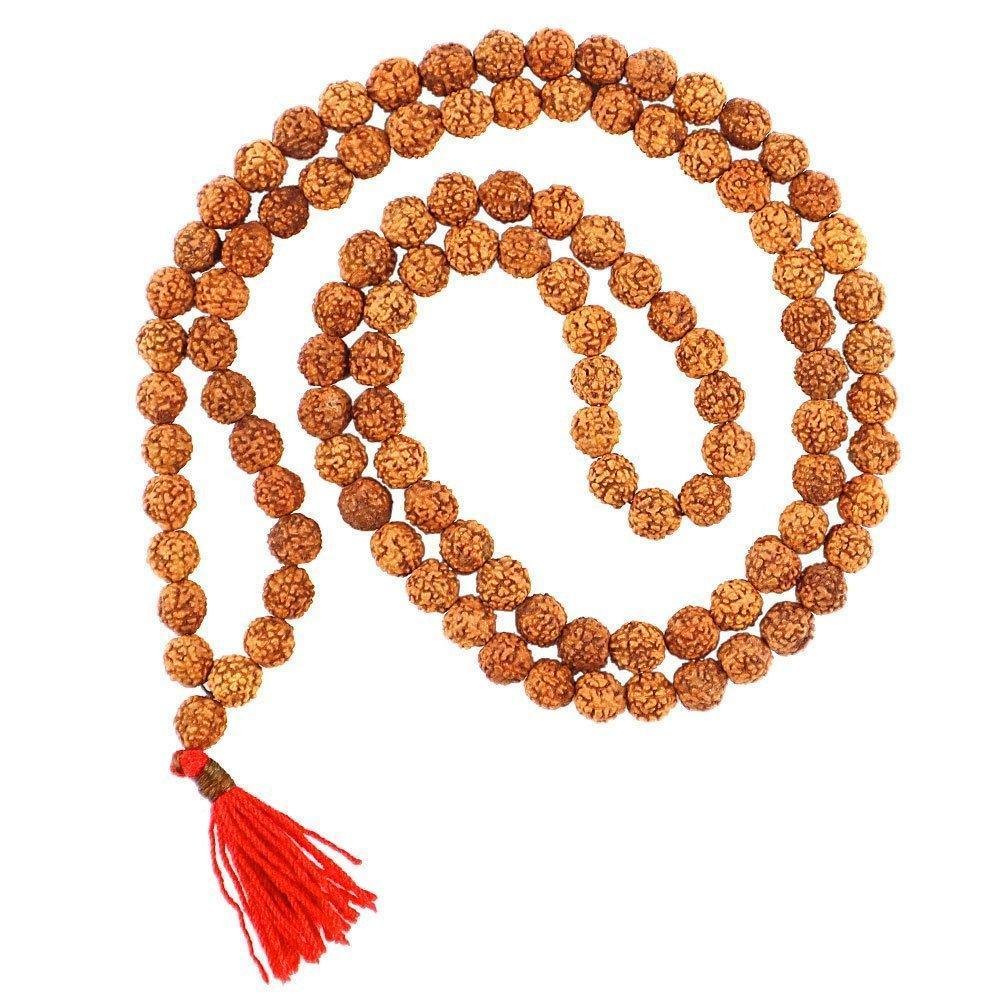
Rudraksha Mala
Rudraksha seeds have a long association with Hindu religious traditions and are widely used to make Japa Mala.
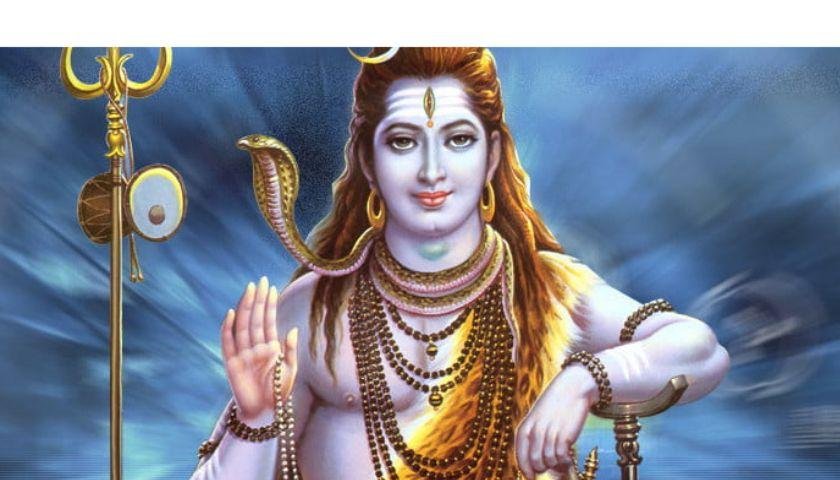
Rudraksha is associated particularly with Shiva and is traditionally regarded as a sacred seed. Different types of Rudraksha are distinguished by the number of natural faces, or “mukhi,” visible on the seed.
Rudraksha Mala are commonly used for mantra repetition, meditation and prayer.
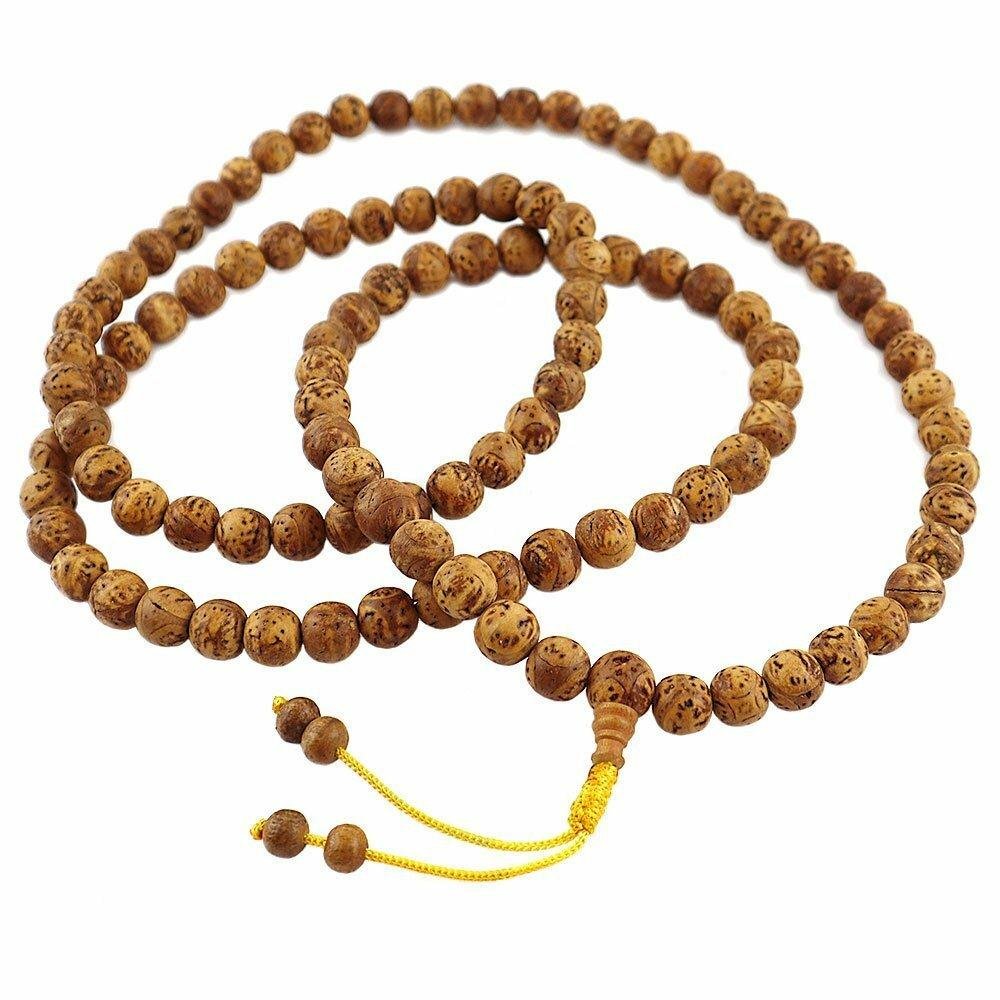
Bodhi Seed Mala
Bodhi seeds have a special association with Buddhism because of the importance of the Bodhi tree in the story of Siddhartha Gautama’s enlightenment.
The Sanskrit word “bodhi” is associated with awakening or enlightenment.
Bodhi seed Mala are used as prayer and meditation beads and are particularly associated with Buddhist practice, although they can also be used by people from other spiritual traditions.
History of Yoga Mala Beads Necklaces
Yoga Beads have always been made of simple materials as the desire is to remove the mind from material thoughts
From the very beginning the original Yoga Mala Meditation Necklace has been changed with adaptations from the various users of Yoga Necklaces and Mala. When the Romans invaded India, they mistook japa for jap, which is the Latin word for rose. Upon returning to Rome, mala beads were referred to as Rosarium and later became known as rosary beads in English when adopted by Christians.
More recently as Yoga started to spread to the west, it was predominately spiritual seekers that embraced Yoga as a form of exercise and then meditation. As Yoga grew in popularity, Yoga Mala Beads Necklaces were adapted from it’s original materials and changed to match the personal preferences of those who would be likely to be attracted to it.
Yoga is not seen as a religious movement, it is often see as a spiritual one, with many controversy between traditionalists and modernist on the extent to authenticity.
Most forms however include the adoption of the Japa Meditation practices as part of their spiritual growth. Most traditionalist accept that many Yogi practitioners will, at first be attracted to the idea of Japa Meditation and use beautiful (usually high priced) jewelry.
But it is thought that as the persons spirituality develops, and they will no longer wish to use inspired jewelry for Japa Meditation and return to the traditional simple and natural Yoga Necklace Mala for use with Meditation.
Uses of Yoga Mala Necklace for Japa Meditation
Yoga is all it’s forms is about detachment. Detachment from the mental and physical, detachment from possessions and desires. The physical aspect of Yoga uses stretching and mental focus to remove ones self from the physical senses of the world. Yoga Meditation Mala beads used for Japa meditation add a powerful mental practice and help aid removing the mental processes from the material world.
To this end Yoga beads have always been made with simple local resources, that have a mental and spiritual association with this purpose. Most notably wood, stone and seeds. The most famous type of Yoga Mala beads are the Rudraksha seeds Mala and the Bodhi Seed Necklace Mala.
Yoga and the Use of Mantra
In additional to the poses, Mantra is probably the main Yoga practice that characterizes yoga as a whole within its many different variations. All Spiritual yogic paths use mantras and have special mantras of their own. Special mantras and chants pervade the primary yogas of knowledge (jnana), devotion (bhakti) and service (karma) in which asana (forms) do not have an important role. Yet even in hatha yoga, and modern variations of Yoga where asana can be very important, mantra remains significant and is the main method employed to prepare the mind for deeper yoga practices.
The Yoga Sutras and its tradition of raja yoga emphasizes the role of the Pranava, (primal sound), as the main means of connecting with the Divine. The Yoga Sutras stress the importance of chanting and meditating upon Aum, which is the essence of all mantras.
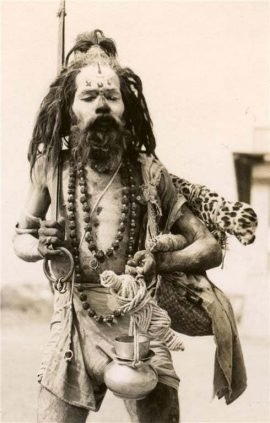
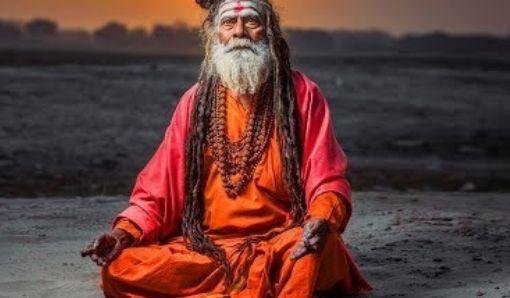
Most Hindu and Spiritual Yogi’s seeking advancement will use Yoga Mala made from natural seeds and not modern jewerly supplied in modern yoga studios: Photo Credit: http://www.mdig.com.br/index.php?itemid=30799
Benefits of Using Yoga Mala for Japa Meditation
The practice of yoga usually begins with the chanting of mantras–which may be mantras to the guru, to the aspect of the Divine one worships, or to the higher self–in order to create the proper atmosphere for teaching, or mantras to sanctify the ground on which one sits. Mantra grants sanctity and concentration to yoga, which otherwise easily descends into another form of physical exercise or a seeking of personal empowerment.
Yoga Mala for Focusing the Mind
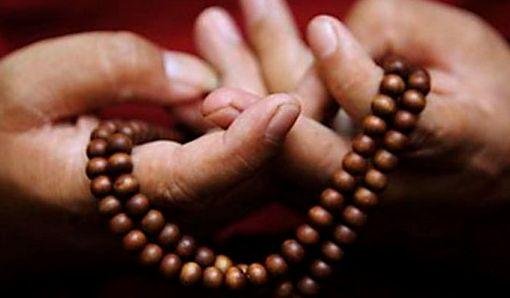
The purpose of meditation is to still the mind and focus on obtaining a spiritual awareness, and keeping track of how many mantras you recite during your Japa meditation requires concentration and active conscious thinking. The mala is used so that one can focus on the meaning or sound of the mantra rather than counting its repetitions. One repetition of the mantra is usually said for each bead while turning the thumb around each bead.
This process is repeated and when arriving at the head or guru bead, the person meditating turns the mala around and then goes back in the opposing direction. Typically one cycle of Mantras is about 100, (sometimes 108) but generally what ever philosophy of Japa you are using, by the time you reach 108 counts you start a new cycle.
Yoga Mala for Storage of Power
The Yoga traditions believe that when a mala is used with mantra recitation, the power of the mantra enters into the beads of the Yoga Necklace mala, which become energized at a subtle level. The more often they are used, the greater their power becomes. The mala gathers and magnifies the power of the mantra, forming a sphere of energy and protection around us. It is based on this purpose of Mala, that modern variations of Yoga Mala have included non native (to India) component beads to make the Mala
What are Yoga Mala Questions and Answers
Why Do Yoga Mala Have 108 Beads?
One of the most common questions about Mala is why a traditional Mala contains 108 beads.
There is no single explanation accepted across all traditions. The number 108 has been given significance in several Indian religious and philosophical traditions, and different schools provide different explanations for its importance. For the person using a Mala, however, the practical purpose is simple: 108 beads provide a complete cycle of mantra repetitions.
The practitioner moves from bead to bead while repeating the chosen mantra. When the Guru bead is reached, the cycle is complete. Some Mala contain different numbers of beads, and shorter malas can also be used for meditation. However, the 108-bead Mala remains the most widely recognised traditional form.
What Is a Guru Bead?
Many traditional Mala contain a larger or differently shaped bead known as the Guru bead. The Guru bead marks the beginning and end of a complete cycle of the Mala. When the practitioner reaches the Guru bead after completing the cycle, the Mala is traditionally turned around rather than passing over the Guru bead and continuing in the same direction.
The Guru bead therefore provides both a practical reference point and a symbolic element of the Mala.
What Is Japa Meditation?
Japa is the practice of repeating a mantra, prayer or sacred phrase. A Japa Mala is used as a counting device. One repetition is generally performed for each bead as the practitioner moves through the Mala. The physical movement of the beads provides a simple rhythm for the practice.
Instead of concentrating on keeping track of how many repetitions have been completed, the practitioner can focus attention on the sound, meaning and rhythm of the mantra.
Traditional Mala and Modern Mala Jewelry
Today, the word “Mala” is used for two somewhat different types of product. A traditional Mala is primarily a prayer or meditation tool. Its design, number of beads and materials are connected to an established religious or spiritual practice.
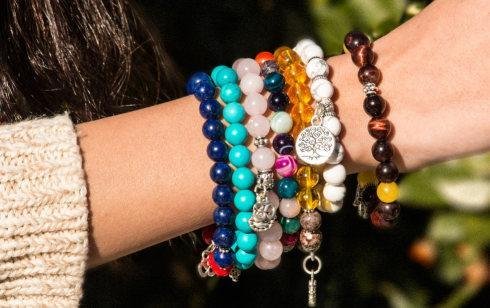
Modern Mala jewelry may use the same basic necklace form but add gemstones, decorative beads, charms and other elements chosen primarily for appearance or personal symbolism.
The important distinction is simply understanding what you are buying. If you are looking for a traditional Japa Mala for meditation or mantra practice, look for a Mala made in a form appropriate to the tradition you wish to follow.
Modern Yoga Beads is referred to as ‘Inspired Jewelry’ and when worn to be displayed removes any sacred nature according to Yoga traditionalists
How Are Yoga Mala Beads Used?
To use a traditional Mala, hold the beads comfortably in one hand. Beginning with the bead next to the Guru bead, repeat your chosen mantra once and move to the next bead. Continue until you have completed the full cycle. Traditionally, the Mala is moved using the thumb and another finger rather than the index finger.
When you reach the Guru bead, you can turn the Mala around and continue in the opposite direction if another cycle is required. There is no requirement to use a particular mantra for every Mala. The appropriate practice depends on the person’s religious tradition, teacher and intention.
When choosing a Yoga Mala, consider how you intend to use it. If you plan to practice Japa meditation, a traditional 108-bead Mala is a natural choice.
You may also want to consider:
The material of the beads
The size and weight of the Mala
Whether you prefer seeds, wood or natural stone
The tradition associated with the material
Whether the Mala will primarily be used for meditation or worn as a necklace
Whether you want a simple traditional design or a more decorative Mala
There is no single material that is right for everyone.
The most important thing is to choose a Mala that is comfortable to use and appropriate for your intended practice.
Yoga Mala Beads from Monk Mala
Monk Mala offers traditional-style Yoga Mala and Japa Mala made from natural materials including Rudraksha, Bodhi seed and lotus seed. Our business is based in Chiang Mai, Thailand, and we work with traditional Buddhist communities and Monks in Thailand.
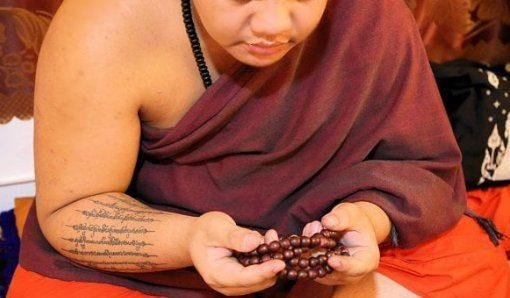
Selected Mala can be taken to a Buddhist Monk for blessing before being sent to the customer, providing an additional connection to the Buddhist traditions of Asia. Whether you are beginning Japa meditation or looking for a traditional 108-bead Mala for an established practice, explore our collection of Yoga Mala beads.