How to Make Buddhist Prayer Beads

How Monk Mala make Buddhist Prayer Beads

How Monk Mala Make Buddhist Prayer Beads

At Monk Mala, we make Buddhist prayer beads with a simple goal, to provide traditional style mala beads with a genuine connection to the Buddhist traditions of Thailand and Asia. Our approach is different from simply buying a finished necklace from an anonymous wholesale supplier and placing it in an online store. We work with materials, craftspeople and Buddhist communities in Thailand and the surrounding region, then have each mala presented to a Buddhist Monk for blessing before it is sent to its new owner.

There are many different ways to make mala beads today. Some are produced as fashion jewellery, some are designed specifically for modern yoga and meditation practices, and others are manufactured in large quantities for general retail. These products can all have their place. Monk Mala focuses on something more specific, traditional Buddhist prayer beads made from the simple materials and designs associated with Buddhist practice in Asia.

Quick Reference - Table of Contents

Where Monk Mala Buddhist Prayer Beads Begin

Monk Mala is based in Chiang Mai, Thailand, and our location is an important part of how we source and prepare our Buddhist prayer beads. Rather than treating the mala simply as a finished product, we look at the materials, the people who make the components and the way the finished mala will be used.

Many of our wooden beads come from craft businesses in northern Thailand, including Baan Tawai, a well-known craft area outside Chiang Mai. Teak and tamarind are among the woods used in our traditional mala designs. Other natural materials, including stone and seed beads, are sourced through specialist suppliers and small businesses in Thailand and the surrounding region.

The guru beads used on some of our malas are also sourced separately. Where we use distinctive silver guru beads, these are made by a Thai silversmith rather than being an anonymous mass-produced component.

This approach means that a Monk Mala is assembled from identifiable components rather than simply purchased as an anonymous finished necklace.

Choosing Materials for Buddhist Prayer Beads

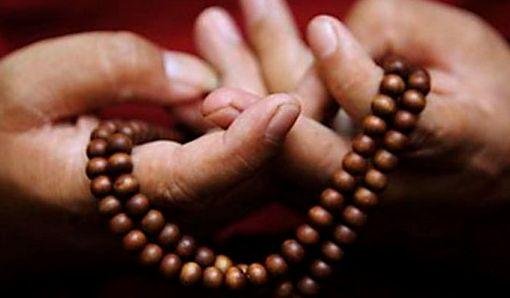
Traditional Buddhist malas can be made from many different materials, and there is no single material that is required for every Buddhist practitioner or tradition. Wood, seeds, stone and other natural materials have all been used in Buddhist prayer beads across different parts of Asia.

At Monk Mala, we concentrate on materials that fit the simple appearance and practical use of traditional Buddhist malas. Wood is particularly important because it is lightweight, tactile and has a long history of use in prayer beads throughout Asia. Seed beads are also used in a number of traditional mala styles.

The material is only one part of the finished mala. How the beads are shaped, drilled, assembled and finished is also important. A good mala should be comfortable to handle and suitable for the repetitive movement involved in meditation, mantra recitation or prayer.

Monk Mala Buddhist Prayer Beads Made in Thailand

Working With Local Craftspeople

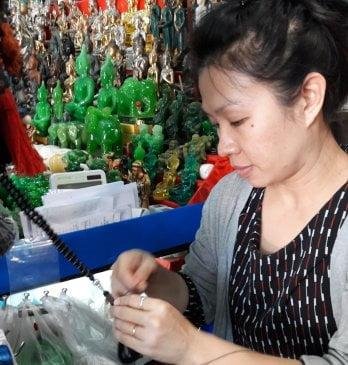
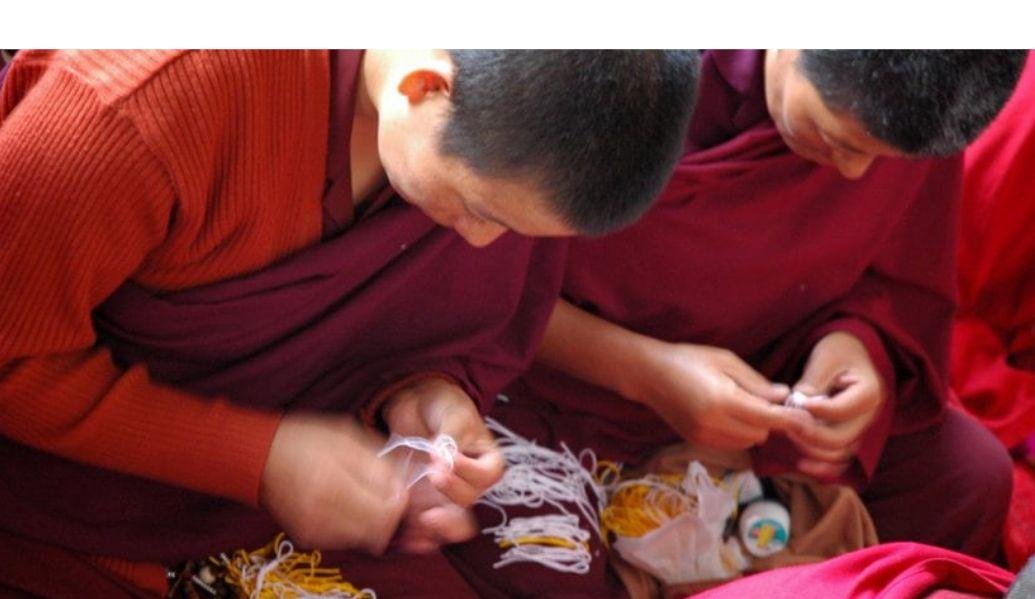
Thai-buddhist prayer bead mala necklace being madeOne of the most important differences in the Monk Mala process is that the finished mala is not simply treated as a mass-produced item. Different components can come from different specialist craftspeople.

Wooden beads are prepared by craft businesses, other natural materials are sourced through specialist suppliers, silver guru beads can be produced by a Thai silversmith, and the final tassel and assembly work involves additional craft skills.

This type of small-scale production is common throughout Thailand and other parts of Asia. A single craftsperson does not necessarily make every component of a finished object. Instead, different people may specialise in particular materials or stages of production.

For Monk Mala, these relationships allow us to provide traditional styles of Buddhist prayer beads while supporting the people and small businesses involved in producing them.

How the Mala Is Assembled

Once the individual components have been sourced, the beads are assembled into a complete mala. The basic construction is deliberately simple, consisting of the counting beads, cord, knots where appropriate, guru bead and finishing section or tassel.

A traditional mala is designed to be handled. The beads need to move comfortably through the fingers during meditation or mantra practice, and the cord needs to be strong enough to withstand repeated use. The exact construction varies according to the particular mala design. Some malas have simple wooden beads, while others incorporate seed beads, natural stone or a distinctive guru bead.  The aim is not to add unnecessary decoration. The finished mala should remain recognisable as a Buddhist prayer bead while also being attractive and comfortable enough for everyday use.

What Makes Monk Mala Different?

There are many types of mala beads available today, and not every modern mala is made in the same way. Large online marketplaces can offer thousands of different designs, from simple wooden malas to elaborate gemstone necklaces. The important difference is not simply whether a mala is inexpensive or expensive. A buyer should be able to ask where the materials came from, what the beads are made from, how the mala was constructed and who is responsible for the finished product.

At Monk Mala, we can explain those parts of the process because we are directly involved with the sourcing and preparation of the malas we sell. Our focus is on traditional Buddhist styles, natural materials and simple construction. We are not trying to turn every mala into a piece of fashion jewellery or add claims about crystals and gemstones that are unrelated to traditional Buddhist practice.

China Mass Mala Production

Mass-Produced Buddhist Prayer Beads

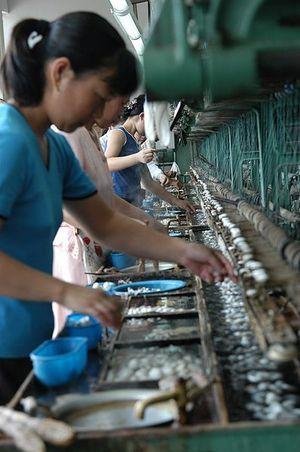
Many Buddhist prayer beads sold online today are mass produced in large factories, particularly in China, and are made for the international jewellery and gift market rather than specifically for Buddhist practice. These products can be attractive and inexpensive, but the buyer may have little information about where the beads were made, where the materials came from or who actually assembled the finished mala. A product description may describe something as a “Buddhist mala” without providing any meaningful connection to the Buddhist tradition or the place where the tradition is practised.

Mass production is not automatically a sign that a mala is poor quality, and we do not believe every mala manufactured in China or another country should be considered inferior. The important difference is the relationship between the product and the person selling it. At Monk Mala, we want customers to know where our materials come from, that we work with craftspeople in Thailand, that we are directly involved in preparing the finished malas and that they are presented to a Buddhist Monk in Thailand for blessing. Rather than simply buying a finished product from an anonymous factory and reselling it, we are involved in the journey of the mala from its materials and craftspeople through to its final blessing.

Modern New Age and Fashion Malas

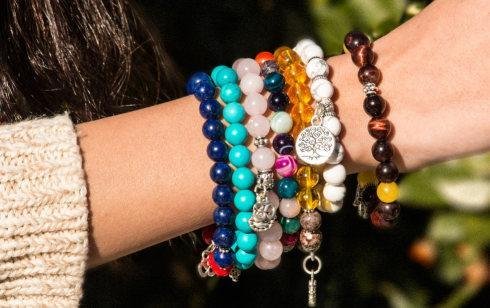
The word “mala” has also become increasingly popular outside traditional Buddhist practice. Today, many products described as malas are designed as modern jewellery or New Age spiritual accessories, often combining gemstones, crystals, charms and decorative elements with contemporary ideas about energy, healing, manifestation and personal intention. These products may be meaningful to the people who use them, but they should not automatically be confused with traditional Buddhist prayer beads simply because they are called a mala.

At Monk Mala, our focus is different. We make and provide traditional-style Buddhist prayer beads with a connection to the Buddhist traditions of Thailand and Asia. We are not opposed to people using malas for yoga, personal spirituality or as jewellery, but we believe it is important to distinguish modern interpretations from traditional Buddhist practice. Our malas are selected and assembled with their Buddhist purpose in mind, using materials and styles associated with traditional prayer beads, and are presented to a Buddhist Monk in Thailand for blessing before they are sent to the customer.

buy Buddhist Mala Bracelets
New Age and Yoga Mala’s add the promise of Gemstone Magic and Healing in their promotion for sales

How Mala is Made - The Buddhist Connection

The Buddhist connection is central to why Monk Mala exists. We are based in Chiang Mai, a city with a strong and visible Buddhist culture and thousands of Buddhist temples throughout the surrounding region. Our relationship with Buddhist Monks is part of our everyday environment rather than something added to a product description.

We created Monk Mala to make traditional Buddhist prayer beads available to people who may not have the opportunity to visit Thailand themselves. That connection is important to us because we want the products we provide to retain a genuine relationship with the Buddhist tradition from which they come.

Each Mala Is Blessed by a Buddhist Monk

After the mala has been prepared, it is presented to a Buddhist Monk in Thailand for blessing before it is sent to the customer. For Monk Mala, this is an important part of the journey of the finished prayer bead. The mala has been sourced and prepared in Thailand, and the final stage connects it directly with a Buddhist Monk before it leaves the country.

We also make a donation in connection with the blessing, helping support the Buddhist Monks and communities involved.

Why the Monk Blessing Matters to Us

The Monk blessing is not simply something we added because it sounds attractive in a product description. Our connection with Buddhist Monks in Chiang Mai was one of the reasons Monk Mala was created in the first place. We wanted to provide Buddhist prayer beads that retained a meaningful connection to Thailand and Buddhist practice.

For someone purchasing a mala from outside Thailand, that connection can be difficult to establish from a normal online product listing.  Our objective is to make the journey of the product visible, from the materials and craftspeople through to the Buddhist Monk who blesses the completed mala.

Supporting Local Craftspeople

When you purchase a Monk Mala, the value of the purchase does not remain solely with an online retailer. The process involves suppliers, craftspeople and other people in Thailand who contribute to the production of the finished product. Working with these small businesses is an important part of how we operate.

We believe that traditional crafts are best supported by creating a market for the people who continue to practise them. This is one of the reasons we prefer to work with local and regional craftspeople where possible rather than simply purchasing anonymous finished products in bulk.

Why We Believe You Should Know Where Your Mala Comes From

A Buddhist prayer bead is a simple object, but the story behind it can be surprisingly complicated. The same product photograph could represent a handmade item produced by a small craft business in Thailand, or a mass-produced necklace manufactured thousands of kilometres away and sold through several different resellers. The photograph alone may not tell you the difference.

That is why we believe information about the material, origin, production and seller is important. A customer should be able to make a decision based on more than appearance and price.At Monk Mala, we try to provide that information because we believe knowing where your Buddhist prayer beads come from makes the purchase more meaningful.

Frequently Asked Questions

Where are Monk Mala Buddhist prayer beads made?

Monk Mala is based in Chiang Mai, Thailand. We source materials and components through suppliers and craftspeople in Thailand and the surrounding region, then prepare and assemble the finished malas in connection with our operations in Thailand.

Does Monk Mala make its own beads?

Our malas involve several stages of specialist craft production. Individual components may be produced by different craftspeople or specialist suppliers before the finished mala is assembled, checked and prepared by Monk Mala.

What materials does Monk Mala use?

Our malas include traditional materials such as teak, tamarind and other woods, natural seeds and natural stones. Some designs also include silver components made by Thai silversmiths. The exact materials vary according to the individual mala.

Are Monk Mala prayer beads handmade?

Our malas involve small-scale craft production and specialist craftspeople rather than simply being purchased as anonymous finished necklaces. Different parts of the mala may be produced by different specialists before the finished product is assembled and prepared.

Are Monk Mala prayer beads made in China?

Monk Mala is based in Thailand and focuses on sourcing traditional mala components from Thailand and the surrounding region. We do not simply purchase anonymous finished Buddhist prayer bead necklaces from overseas factories and resell them under the Monk Mala name.

Are Monk Mala prayer beads blessed by Buddhist Monks?

Yes. Completed malas are presented to a Buddhist Monk in Thailand for blessing before they are sent to the customer. The blessing is an important part of our connection with Buddhist practice and the reason Monk Mala was created.

Why are Monk Mala beads different from mass-produced malas?

Many malas available through large online marketplaces are manufactured in high volumes for the international jewellery and gift market. Monk Mala takes a different approach by sourcing materials and components through suppliers and craftspeople, preparing and checking the finished malas in Thailand and having them presented to a Buddhist Monk for blessing. The important difference is that we can explain more about where our malas come from and how they reach the customer.

Are all Buddhist prayer beads made in the same way?

No. Buddhist prayer beads vary considerably between Buddhist traditions, regions and individual makers. Materials, styles and construction methods can all differ. There is no single design that represents every Buddhist tradition.

For more information about the different types of Buddhist prayer beads and their traditions, see our guide to What Are Buddhist Prayer Beads?

Are Monk Mala beads traditional Buddhist prayer beads?

Our focus is on traditional-style Buddhist prayer beads rather than modern fashion jewellery. We select materials and designs with their connection to Buddhist practice and the traditions of Thailand and Asia in mind.

What is the difference between Buddhist prayer beads and modern New Age malas?

The word “mala” is now used for many different products. Traditional Buddhist prayer beads are associated with practices such as meditation, mantra recitation and prayer, while modern New Age malas may incorporate crystals, gemstones, charms and contemporary ideas about energy, healing or manifestation. These products can be meaningful in their own way, but they represent different approaches to the mala.

Are natural materials better than synthetic materials for mala beads?

Not necessarily. Natural materials such as wood, seeds and stone have a long history of use in prayer beads and are valued for their appearance, texture and tactile qualities. However, the quality of a mala depends on more than whether its materials are natural. Construction, durability and the care taken during production are also important.

How can I tell where a mala sold online was made?

Look beyond the product photograph and read the information provided by the seller. A reputable specialist should be able to tell you what the beads are made from, where the materials come from, where the mala was assembled and who is responsible for the finished product. A product simply being described as a “Buddhist mala” does not necessarily tell you anything about its origin.

Are cheap Buddhist prayer beads necessarily poor quality?

No. Price alone does not determine the quality or authenticity of a mala. Less expensive malas may use simpler materials or construction, while an expensive mala is not automatically traditional or authentic. The materials, construction, origin and information provided by the seller are more useful factors to consider.

In the case of Monk Mala, we purchase the raw materials for the same price as International companies.  For some reason those companies tend to charge considerably more for their finished products.

Can I use a Monk Mala for meditation?

Yes. Mala beads can be used as a practical counting aid during meditation, mantra recitation, prayer and other contemplative practices. You do not have to be Buddhist to use a mala, although we encourage everyone using Buddhist prayer beads to understand and respect the traditions associated with them.

Can I wear a Monk Mala as a necklace?

Yes. Many people wear their mala when they are not meditating or praying. However, Monk Mala’s primary focus is on the mala as a Buddhist prayer bead rather than simply as a piece of jewellery.

Do I have to be Buddhist to buy a Monk Mala?

No. People from many different backgrounds use mala beads for meditation, mantra practice, personal reflection or simply because they appreciate their connection with Buddhist culture and craftsmanship.

What happens after a Monk Mala is made?

After the mala has been assembled, it is checked and prepared before being presented to a Buddhist Monk in Thailand for blessing. Once this process is complete, the mala is packaged and shipped to the customer.

Why does Monk Mala have Buddhist prayer beads blessed by Monks?

The Monk blessing provides a direct connection between the completed mala and the Buddhist tradition in Thailand. It is an important part of the reason Monk Mala was created and reflects our relationship with Buddhist Monks and communities in Thailand.

Does the Monk blessing give the mala magical powers?

We do not make that claim. The blessing is part of the Buddhist and Thai cultural context in which Monk Mala operates. We believe it is important to explain the blessing honestly rather than making claims about supernatural powers or guaranteed results.

Does Monk Mala support Buddhist Monks?

Yes. A donation is made in connection with the Monk blessing of the malas. Supporting the Buddhist Monks and communities involved is an important part of our relationship with the Buddhist tradition in Thailand.

What makes Monk Mala different from buying Buddhist prayer beads on Amazon?

Large online marketplaces offer an enormous range of mala beads, but the individual sellers and supply chains behind those products can vary considerably. Monk Mala takes a more direct approach, working with suppliers and craftspeople in Thailand, handling and checking the finished products and having the malas presented to a Buddhist Monk for blessing. This allows us to provide greater transparency about the journey of the mala from its materials to the customer.

Can I buy Buddhist prayer beads directly from Thailand?

Yes. Monk Mala is based in Chiang Mai, Thailand, and provides Buddhist prayer beads to customers internationally. Our malas are prepared in Thailand and blessed by Buddhist Monks before being shipped to customers around the world.

What if my Monk Mala breaks?

Mala beads are designed to be handled and used, so the cord can eventually wear with regular use. If your mala breaks, keep the original beads rather than throwing them away. Many malas can be repaired or restrung. See our guide to How to Fix Broken Mala Beads for information about repairing and restringing a broken mala.

Find your Perfect Buddhist Mala

Buy Buddhist Prayer Beads
All Prayer Beads
Buddhist Monk Beads
Monk Beads
Yoga Mala Beads Yoga Necklace
Yoga Mala
Real 108 Buddhist Necklace Mala beads Blessed by Monks
Mala for Protection
Buddhist Monk Beads Meditation Necklace
Mala for Meditation

Shopping cart

0
image/svg+xml

No products in the cart.

Continue Shopping